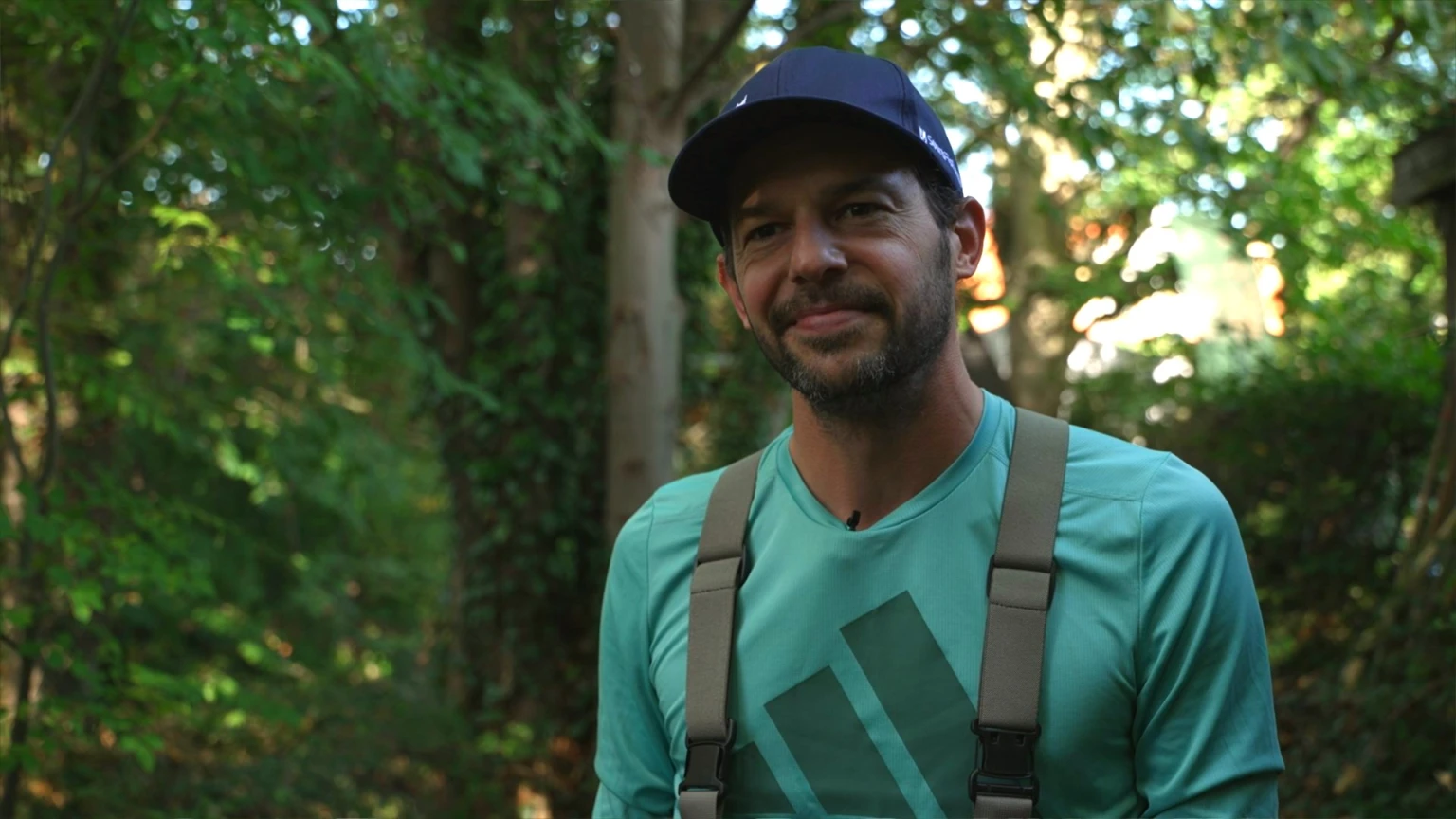
IUR’s Visiting Scholar for 2026, Rachel Bok, will join us for a monthlong stay starting Monday May 11th. Rachel is a Postdoctoral Research Fellow at the Institute for Inclusive Economies and Sustainable Livelihoods (IIESL) at the University of Toronto Scarborough. She is a critical urban geographer whose research spans global urbanism and the political economy of urban governance across the Global North and South. Her work explores the emerging international professionalism of urban policy and governance—the urbanologists—within sectors such as Big Tech, sustainable finance, consultancy, and philanthropy, and through this lens, she examines how power is exercised over cities worldwide. We look forward to learning from and with Rachel!
We will host a welcome seminar for Rachel on Tuesday, May 12th from 13.00-14.30 in Niagara C0826, and all are warmly invited to join us! More information is below:
Governing the “urban” of 21st-century urbanization
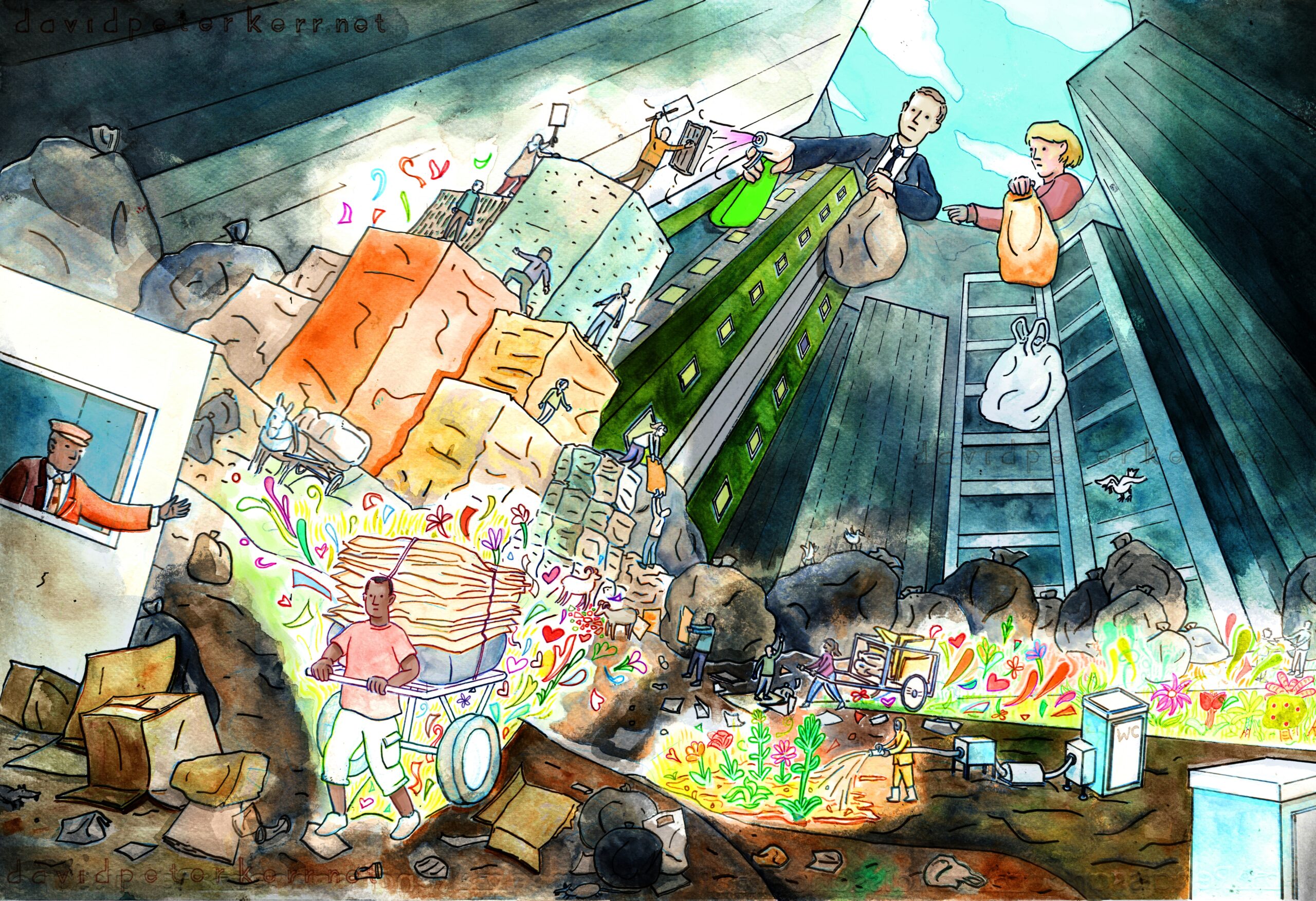
Against the backdrop of claims that cities everywhere are brimming over with solutions to problems of planetary proportions, this seminar explores the contested place of the “urban” in contemporary geographies of urban policy and governance. At stake in such rationales of governance remain the politics of decision-making in the mundane reproduction of urban environments across multiple spatial scales. Traversing debates in critical urban theory, urban political economy, and urban political ecology, the seminar probes the preoccupations and possibilities of critical analyses of urban governance on a global scale. It does so through two cases of corporate elites that circulate across realms of economy and environment in the business of urban governance, new and old: the urban solutions industry and the aggregate extraction industry. Drawing on twenty three months of multi-sited ethnographic data, the first case follows globe-trotting urbanologists in search of the industry’s cosmologies of futuristic problem-solving in the mundane reproduction of global urban governance from the ground-up. It reveals an approach to global urban governance that is motivated to contain and displace difficult global challenges onto the spatial scales of the urban. Based on ongoing research, the second case takes as its starting point an ostensibly local phenomenon: the extraction of aggregates (sand, stone, rock) in Ontario that has been trained with purpose on the Greater Toronto Area. Over five decades of archival data, the case unearths a moving map of the unevenness of urbanization and power dynamics between municipalities that are displaced onto legislative arenas. Both cases disclose, ultimately, a world of cities that lies beyond single-site case studies and how power is exercised over cities from a strategic distance. Consequently, they argue for a worldly, holistic approach to urban governance in the 21st-century that exceeds Global North-South dichotomies: one grounded in the multiscalar interrelations between major cities and their hinterlands in the violent undertaking of urbanization and the unyielding unevenness of capitalist spatial development.