At the IUR, urban humanities mobilizes humanities scholars to engage with the full range of human expression in and of the urban, from literature and visual culture to public art, the built environment, memory, and heritage. These explorations open new ways of understanding and imagining urban space, lived cities, and the cultural object we call “the city.”
Urban humanities is an emerging interdisciplinary field that integrates urban studies, design, and the humanities to reinterpret the city through spatial interventions co-created with diverse communities. It can be seen as a form of public humanities—bringing humanistic reflection into civic life to generate insights that, in turn, reshape the humanities themselves. Approaching the city through humanistically informed co-creation of meaning and knowledge challenges established conceptions of urbanity by centering human experience, emphasizing the temporal dimensions of urban life, and positioning material culture and aesthetic practice as supports for human relationships.
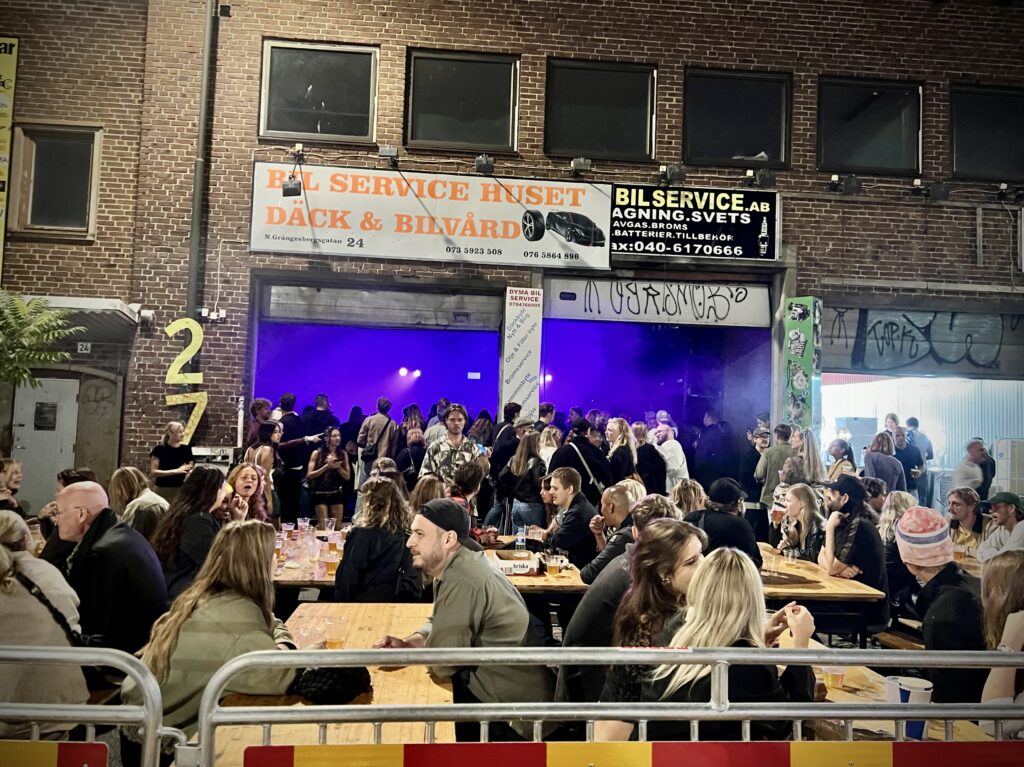
Within the urban humanities, spatial practices mediate between reflection, community life, and the production of urban space. By creating reflective spaces for diverse publics, such practices foster dialogue, collaboration, and critical imagination while renegotiating the authority and authorship of urban knowledge. These spaces—varied in form and scale—may take shape as temporary interventions, co-curated exhibitions, community archives, public programs, or longer-term infrastructures for collective learning and action. Urban Humanities, then, use the city as a site for rethinking learning and reimagining the humanities as an engaged, world-making practice.